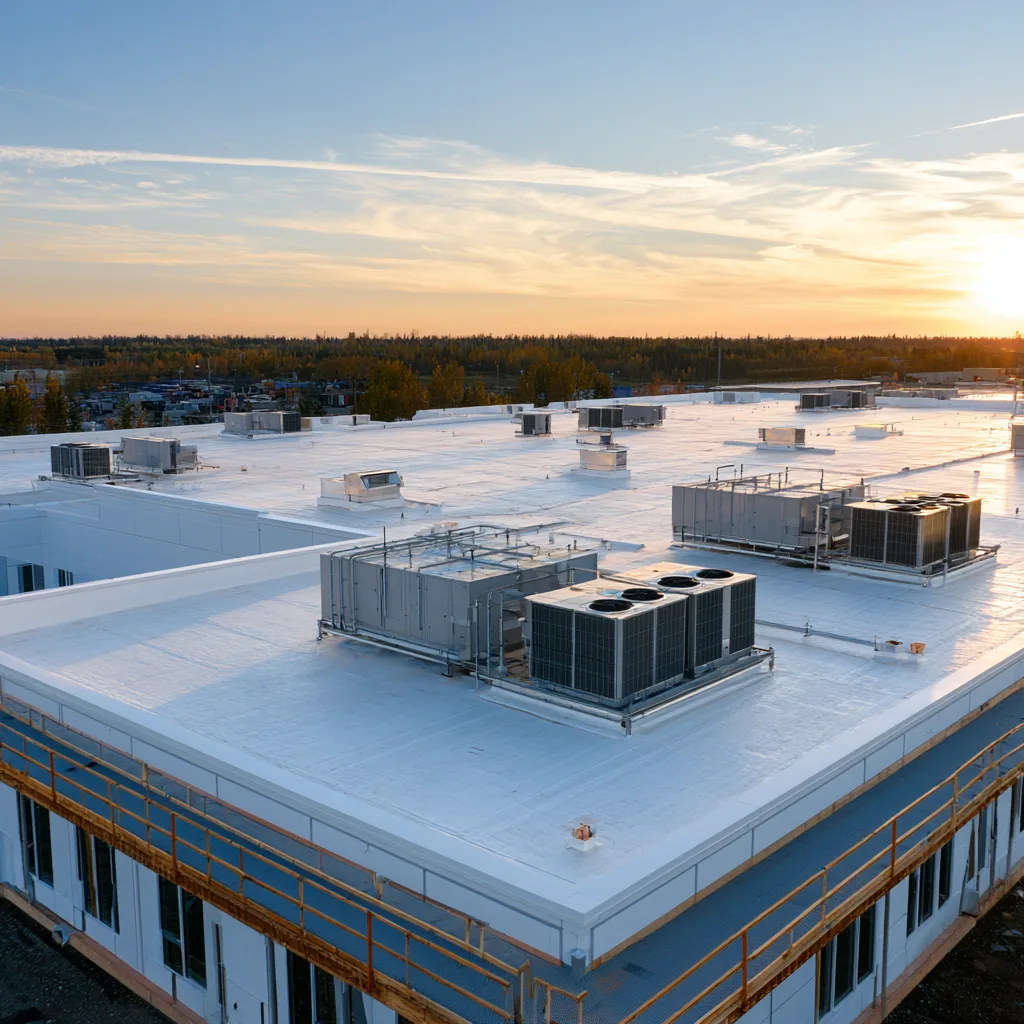
TPO Roofing
Heat-welded seams, compatible flashing and the right attachment method are central to the system.
Explore the service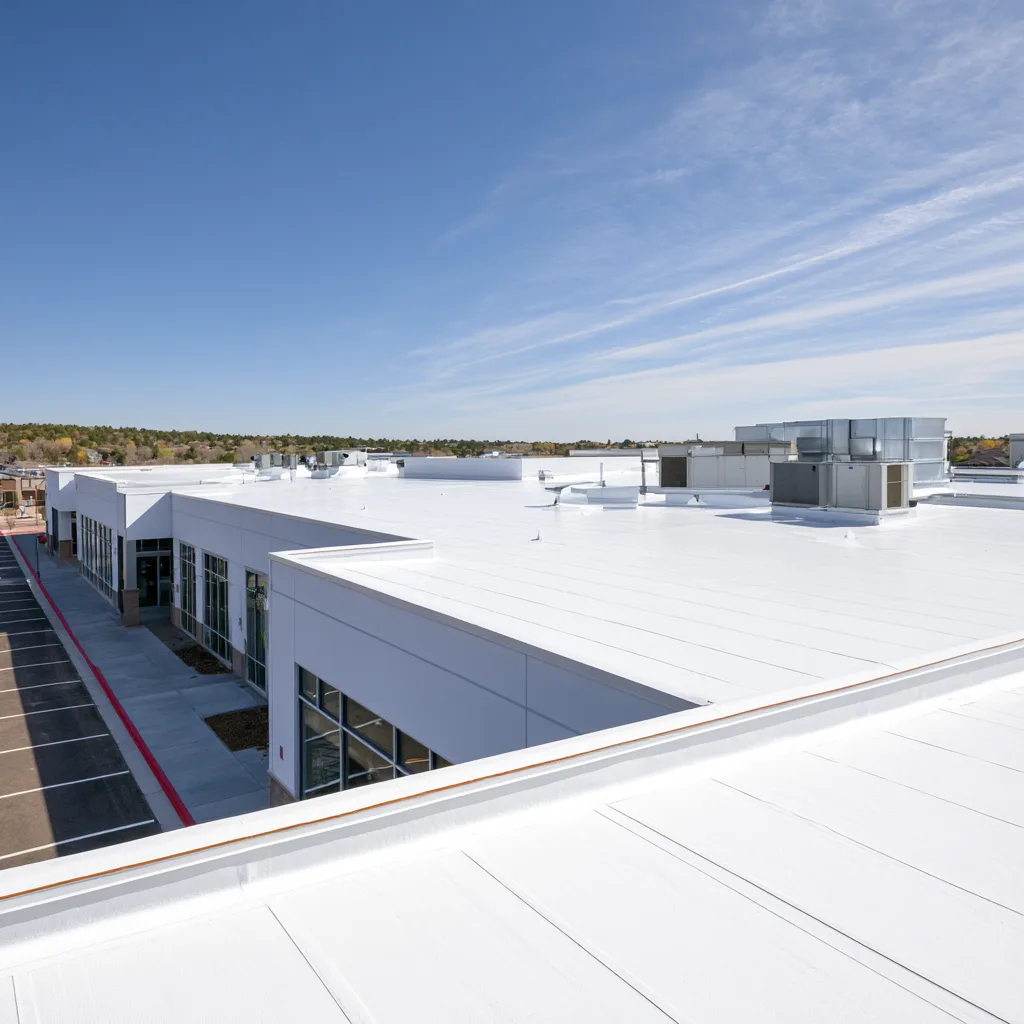
Roof repair, restoration and replacement for Mustang building owners and managers. Plan around the roof assembly, drainage and the occupied building below it.
The leak above a sales floor or tenant space is one part of a commercial roof assessment. We also need to understand the membrane or covering, the seams and penetrations around it, the drains and the condition of the layers below the surface.
A roof can look serviceable from above while moisture remains in insulation or damage affects the deck. When the roof’s condition calls for moisture investigation or sampling, that is a separate part of defining the project. The result changes whether a local repair, restoration or replacement is a sound choice.
Tell us how the building is used, where the concern is showing up and what you know about the roof. Equipment access, tenant entrances and loading areas belong in the work plan.
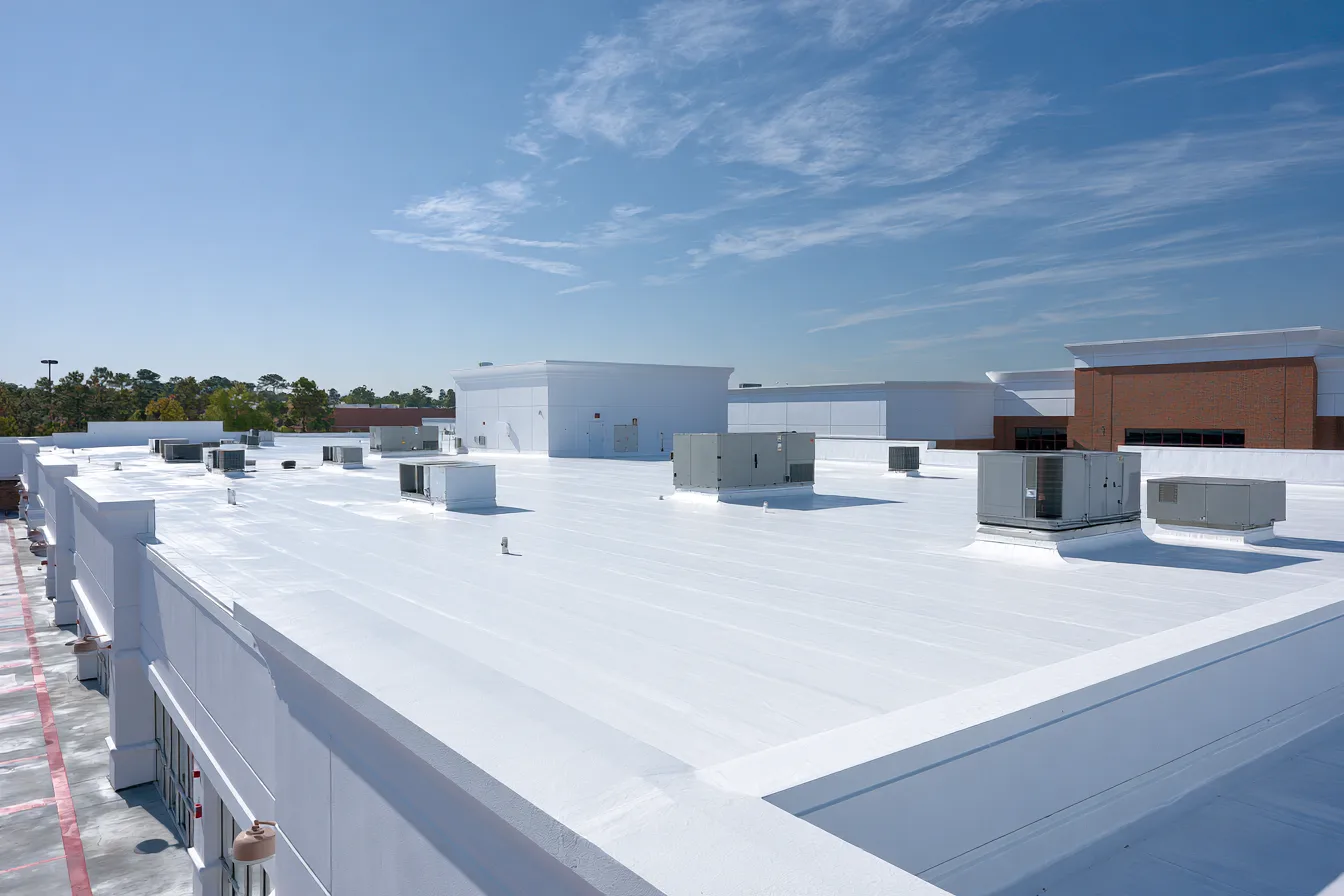
Choose the work the existing assembly can support.
| Work | Suitable starting point | What can change it |
|---|---|---|
| Local repair | A defined opening with sound, compatible surrounding material. | Wet underlying layers, broader seam or attachment failures, and damaged deck. |
| Coating restoration | A suitable assembly after required repairs, cleaning and product preparation. | Moisture, loose material, poor adhesion and drainage problems need resolution first. |
| Partial or full replacement | Failed areas or a broader roof that needs its layers rebuilt. | Insulation, taper, attachment, curb heights and drainage must fit the new assembly. |
Each system needs its own repair and replacement details.
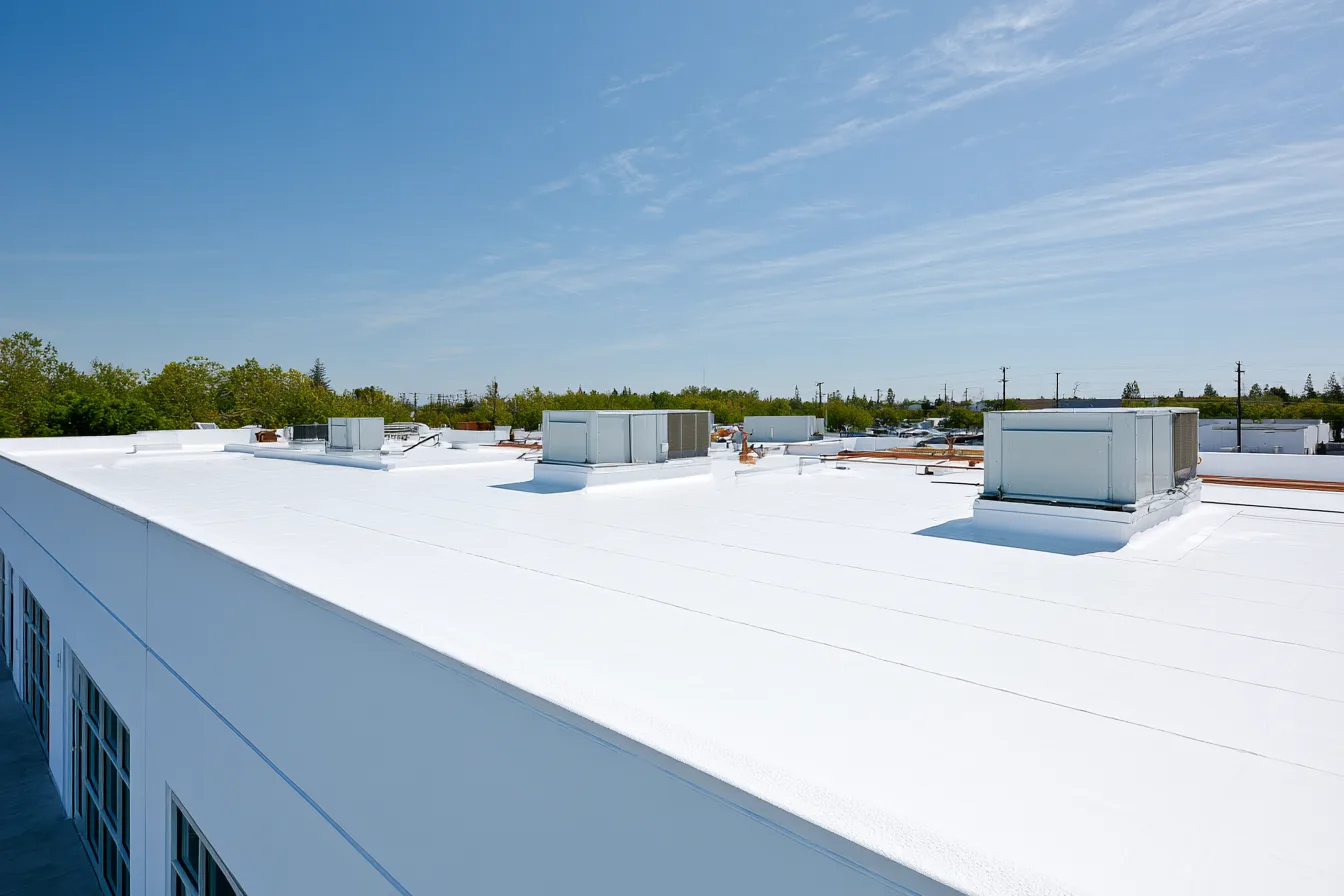
Heat-welded seams, compatible flashing and the right attachment method are central to the system.
Explore the service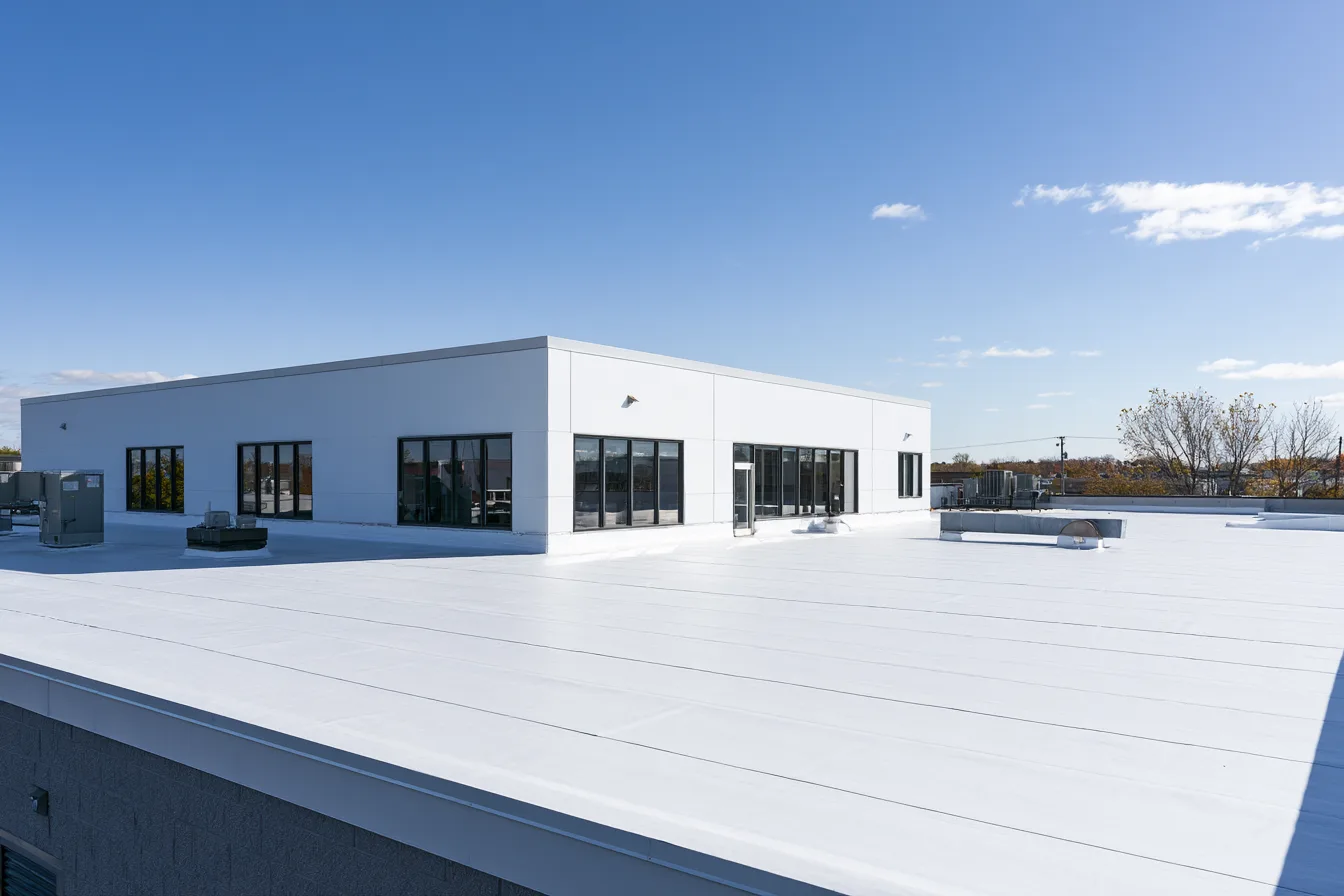
Trace leaks, investigate wet layers and keep water moving to the roof’s drains or scuppers.
Explore the service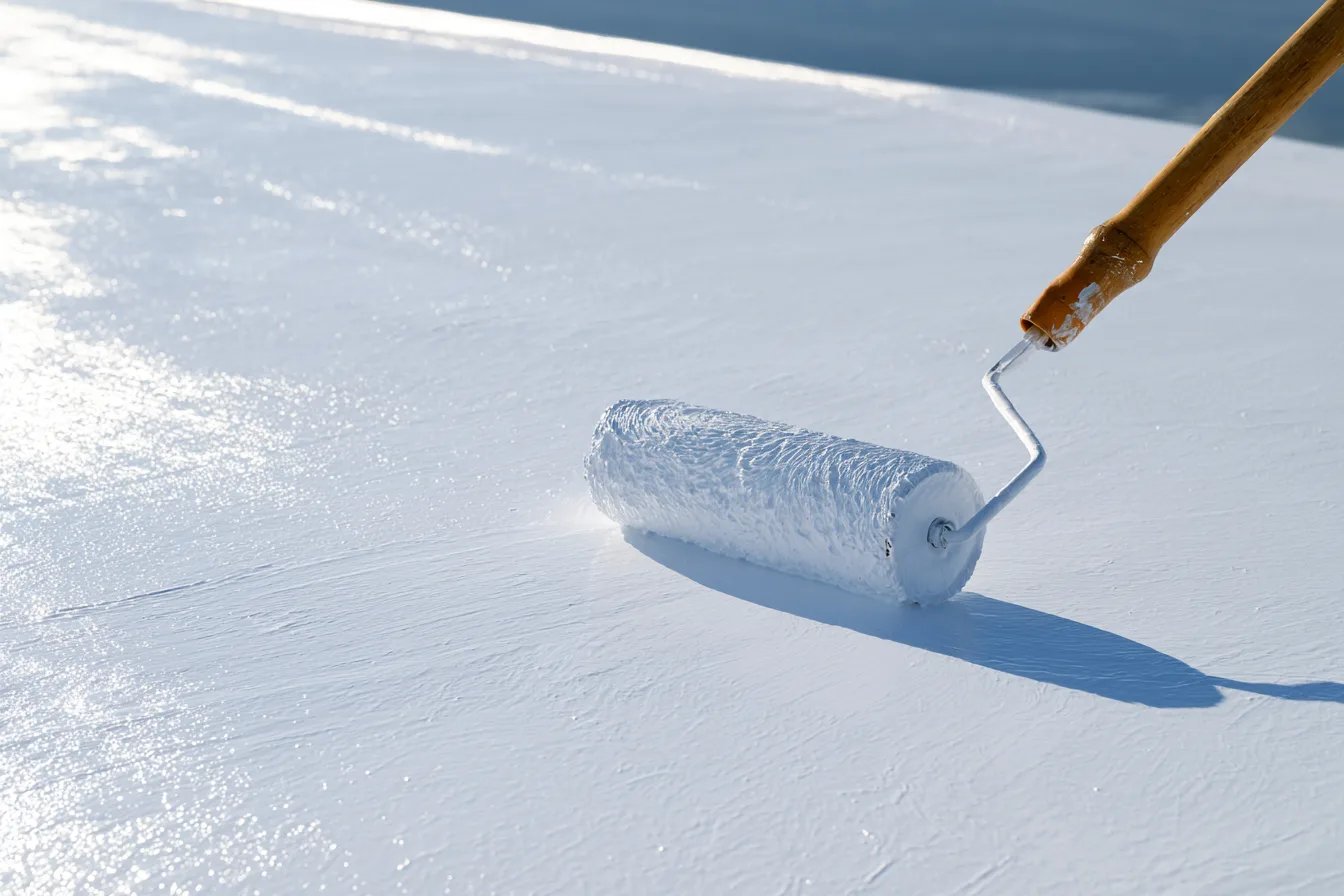
Evaluate the substrate, moisture and adhesion, then plan the preparation and selected coating system.
Explore the serviceA practical plan accounts for the building below the work.
Review roof access, equipment, entrances, loading areas and known sensitive uses below. Keep the roofing scope distinct from needed HVAC, electrical or structural work.
Sequence opened areas and temporary dry-in around the roof condition, weather and building operations. Roof material cannot be removed without considering what remains protected.
Insulation height, drains, curbs, penetrations and perimeter attachment need to work with the new covering. Walkways and equipment access should remain part of the conversation.
Commercial pricing comes from the assembly and the required work. A residential asphalt rate does not price a membrane roof.
| Cost driver | Why it matters |
|---|---|
| Wet insulation or unsound deck | Failed material must be addressed; a new top surface does not repair it. |
| Drainage and insulation | Tapered insulation, drain changes and raised layers can affect curbs and flashing heights. |
| Attachment and edges | The selected system must suit the deck and required design, with compatible perimeter details. |
| Occupied use and access | Equipment, delivery routes and work sequencing affect how the roof can be repaired or replaced. |
No. Moisture and failed underlying material need to be assessed and addressed before a coating is treated as a restoration option.
Drain obstructions, low areas, slope or structural movement can affect drainage. The cause needs review; applying a coating does not create drainage slope.
The building’s use, entrances, equipment and delivery needs inform the sequence and protection plan. Discuss those requirements with the roof concern.
No. Existing TPO, EPDM, PVC, asphaltic or metal systems have different repair materials and details. Identify the actual assembly before choosing the work.